AI parenting advice can help with low-stakes brainstorming, but parents should not let a chatbot replace pediatricians, teachers, therapists, or personal judgment. In 2026, the clearest guardrail is safety: a 2024 JAMA Pediatrics diagnostic study found ChatGPT 3.5 gave incorrect or incomplete diagnoses in 83 of 100 pediatric cases, which makes casual ChatGPT parenting advice risky for health or development decisions.
Blog
-
What Do Kids Under 3 Actually Enjoy This Summer? (Forget the Pricey Experiences)
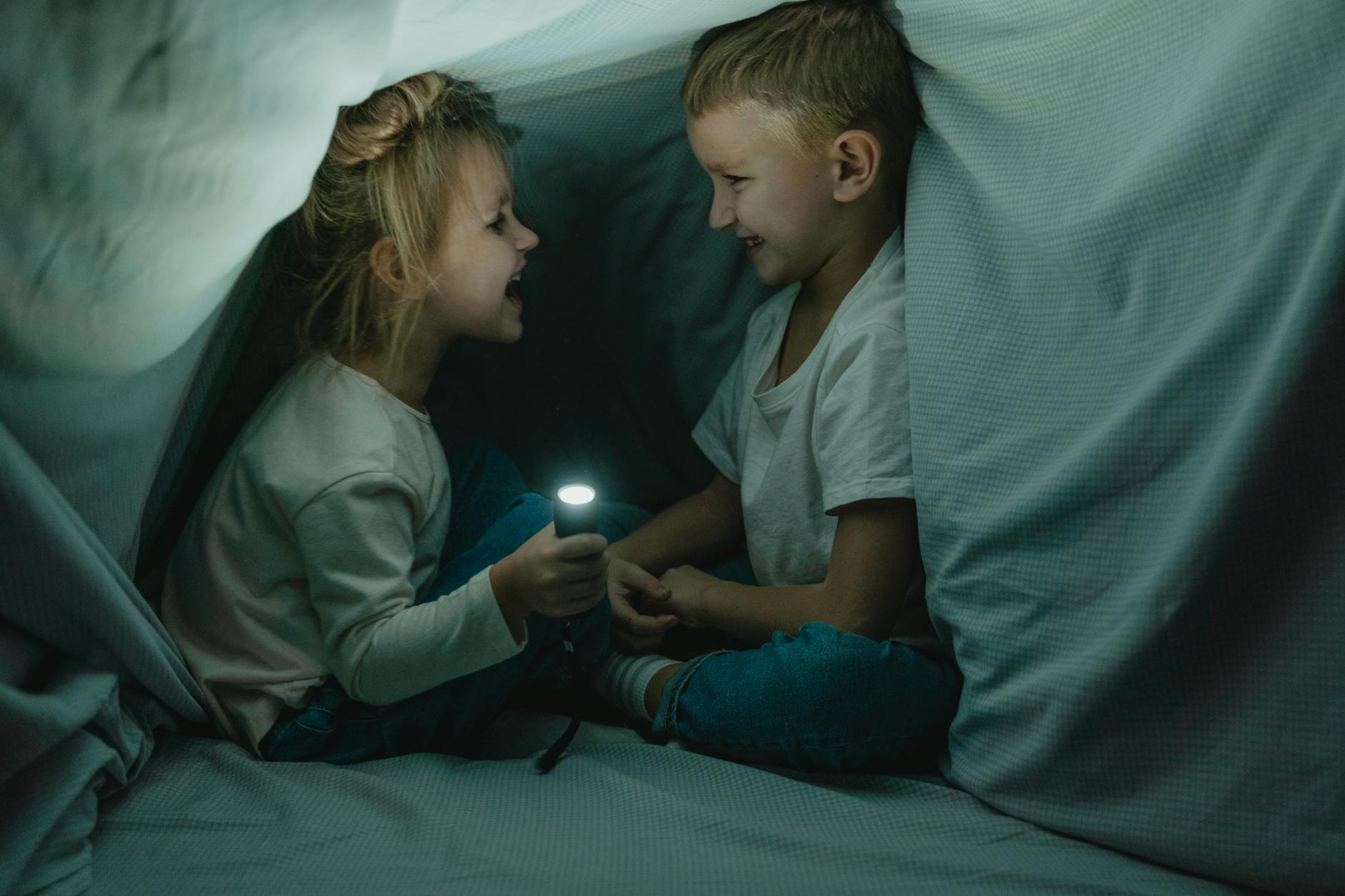
Kids under 3 enjoy simple sensory experiences far more than structured activities or expensive outings — and the developmental research is consistent on this. Water, dirt, grass, soft objects to throw, and things that roll or bounce are what drive genuine delight in this age range. The WHO’s 2019 guidelines recommend at least 180 minutes of daily physical activity for children under 5 spread throughout the day — and most of it can happen in a backyard or at a sprinkler, at no cost.
-

What Happens When You Put Down Your Phone With Your Kids? Real Parent Stories
When parents put their phones in another room during play time, children initiate more conversation, stay engaged longer in independent play, and show fewer attention-seeking behaviors — typically within the first week. Research on parental phone use confirms what many parents discover on their own: the phone’s presence changes the quality of time with kids even when you are not actively using it. The 2016 American Academy of Pediatrics media-use guidelines recommend no more than 1 hour of screen media per day for children ages 2-5.
-
Is Your Child’s Screen Time Causing Behavior Problems? What Parents Who Quit Say
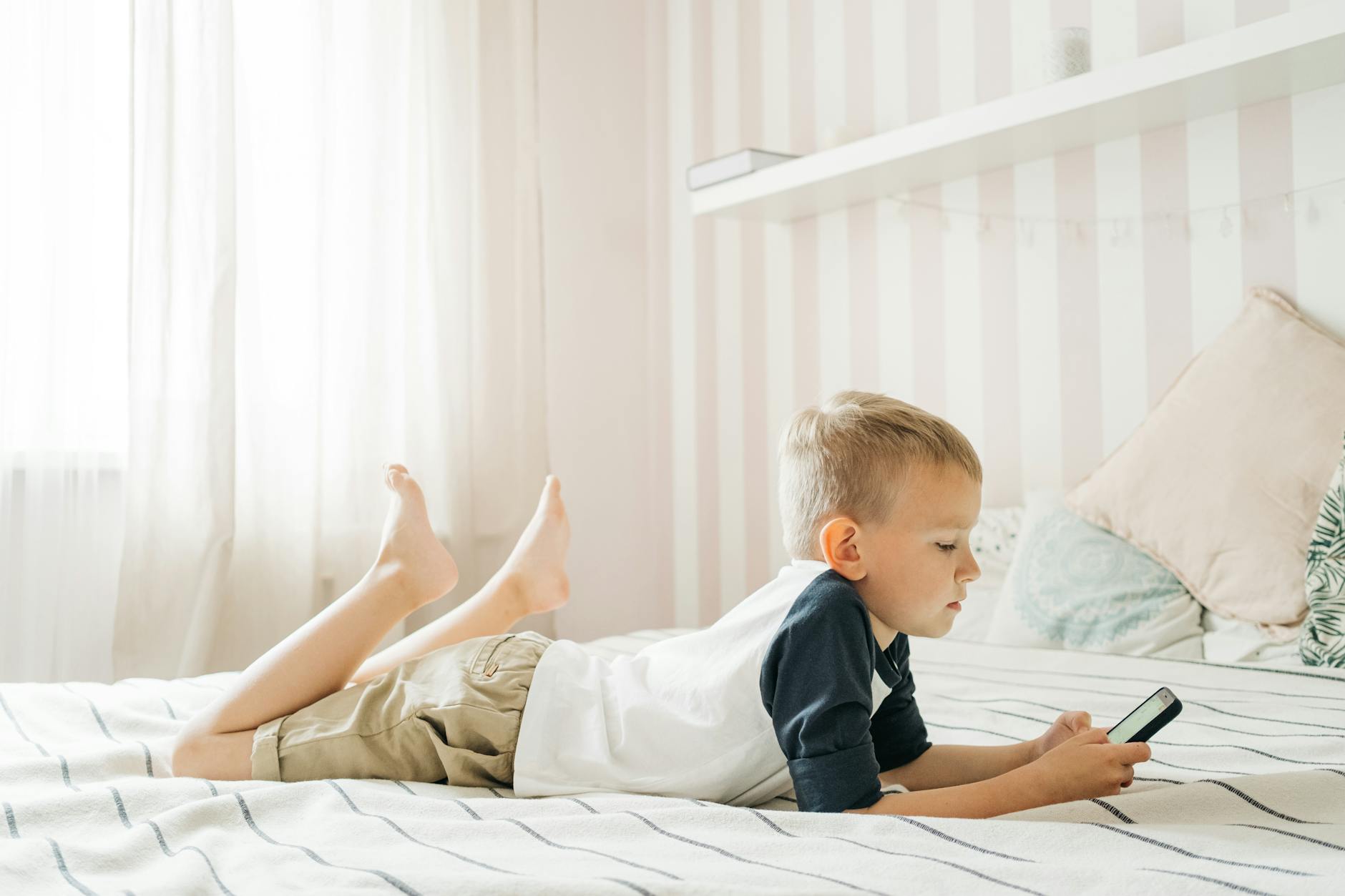
Yes — excessive screen time, especially on tablets and phones, is linked to measurable behavioral changes in young children. Research shows that high-stimulation digital media raises cortisol levels, disrupts sleep, and shortens attention spans in kids ages 2-10. The good news is that most parents who reduced screens saw behavioral improvements within 2-4 weeks.
-

What Outdoor Toys Replace Tablets Best for Kids in Summer?
The outdoor toys that replace tablets best in summer are the ones that combine motion, water, and a low skill curve — toys a child can use on their own without instruction or adult set-up. For families trying to lower screen time during long summer days, the right toy is often the difference between a 3-hour iPad session and a 3-hour backyard sprint.
-

How Do You Reduce Screen Time in Your Home When Adults Are the Problem Too?
The most effective way to reduce screen time when parents are part of the problem is to make screen-free routines a household norm — not a rule applied only to children. Children model adult behavior more strongly than they follow explicit restrictions, which means whole-family play habits work far better than device rules targeting kids alone. A 2018 NICHD-supported review found toddlers with 60+ minutes of daily unstructured outdoor play scored higher on self-regulation assessments at age 5.
-

At What Age Should Kids Have Their Own Smartphone? What the Research Says
Most child development experts and pediatric researchers recommend delaying first smartphone access until at least age 13, with many advocating for 14-16 based on developing brain maturity and social media risk. The screen-free childhood years before adolescence — particularly ages 3-12 — are the developmental window most worth protecting, and the research now clearly supports later introduction rather than earlier.
-

How Do Outdoor Toys Help Kids Transition Away From Screens?
The right outdoor toy helps kids transition away from screens by offering a competing reward that is tactile, physical, and immediately satisfying — something screens cannot deliver. Children ages 3-12 do not disengage from screens because they are told to; they disengage because something more compelling is available. Outdoor toys designed with the right stimulus profile trigger that shift.
-
What Outdoor Toys and Activities Can Replace Screen Time for Kids?
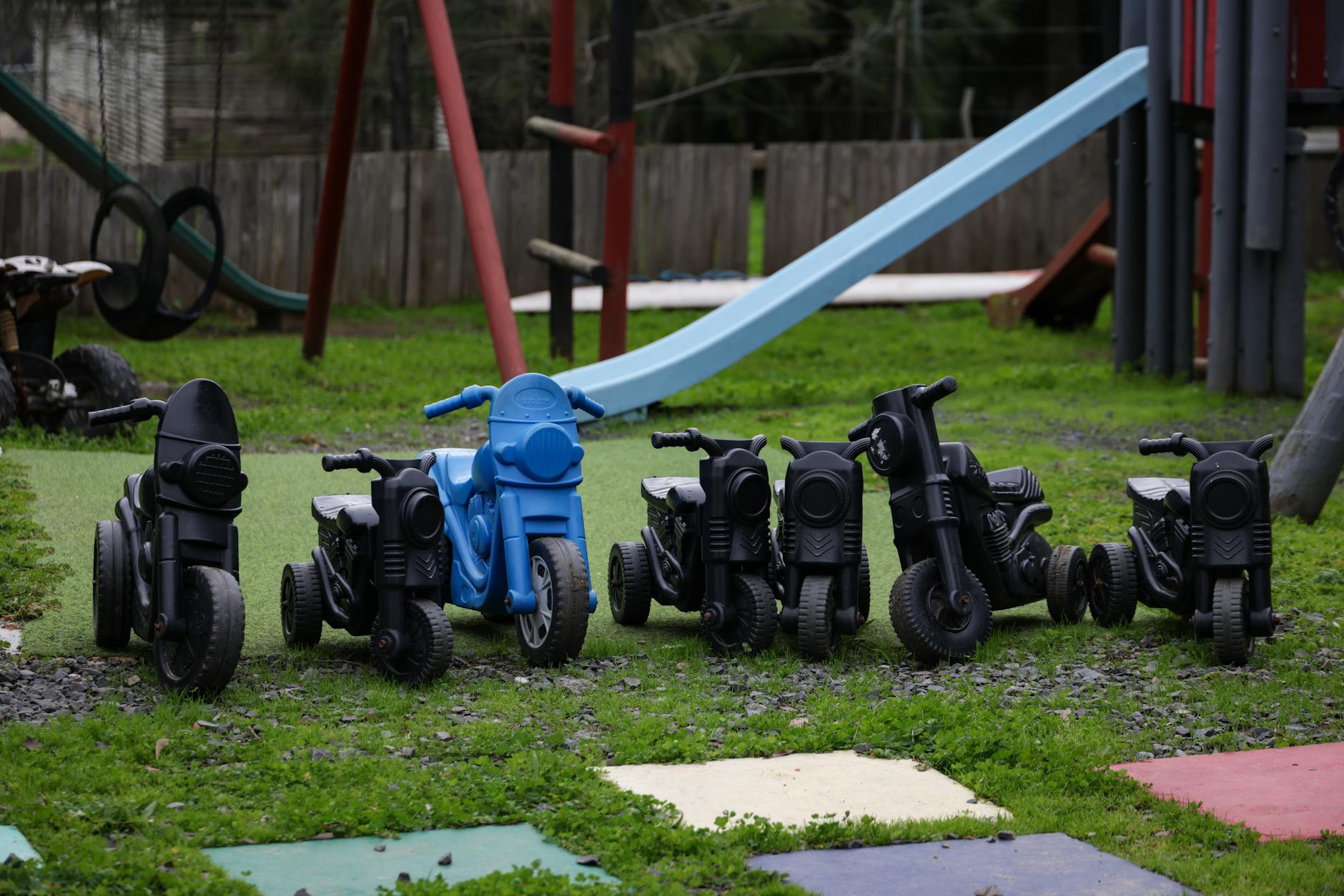
Outdoor toys and active play replace screen time most effectively when they offer comparable immediacy of reward — meaning the child experiences something satisfying in the first 30 seconds of going outside, not after 10 minutes of setup or warming up. The screen-free activities that stick are not the ones parents find impressive; they are the ones kids reach for instinctively the moment they step outside.
-

Is Reading on a Tablet Considered Screen Time? What Parents and Pediatricians Say
Focused reading on a tablet is not classified as entertainment screen time by the American Academy of Pediatrics — because content and context matter more than the device itself. Whether it counts in your household depends on how it is being used, not simply the fact that a screen is involved.
-

What Do Parents Give Kids Instead of iPad Games? (And Why It Actually Works)
The most effective screen-free alternatives to iPad games for toddlers are low-stimulation, immediately accessible, and offer enough novelty to hold attention without a screen. Water play, simple sensory toys, outdoor time, and predictable routines consistently outperform digital alternatives — and the developmental research backs them up.
-

At What Age Does Limiting Screen Time Actually Help Kids? What the Research Says
Screen time limits work differently depending on a child’s age — and most parents are applying the right instinct at the wrong developmental stage, or missing the ages where it matters most. The research on this is clearer than the headlines suggest. A 2019 JAMA Pediatrics study found that preschool-age children with 2+ hours of daily screen time scored lower on standardized developmental screening tests.