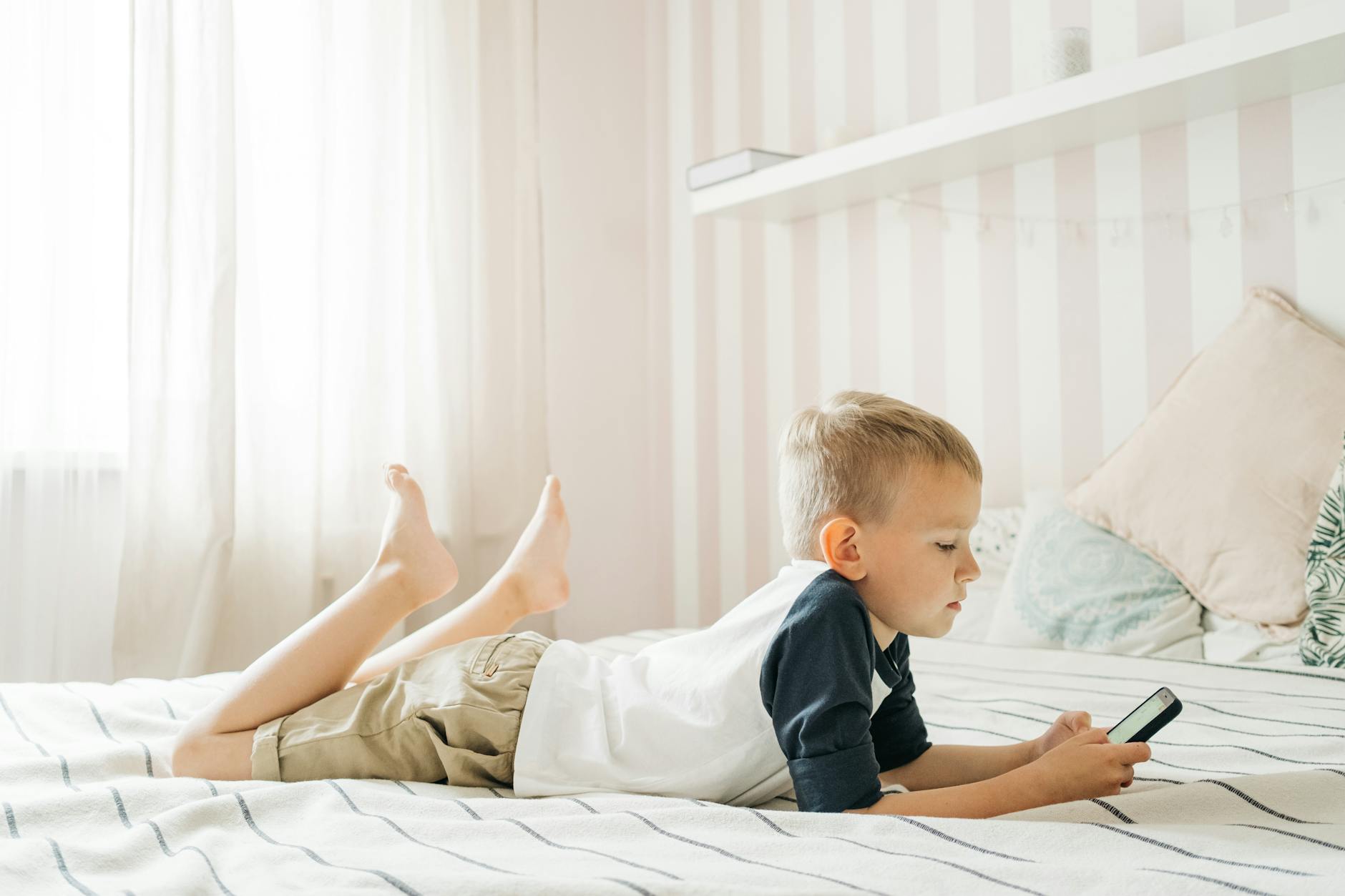
Yes — excessive screen time, especially on tablets and phones, is linked to measurable behavioral changes in young children. Research shows that high-stimulation digital media raises cortisol levels, disrupts sleep, and shortens attention spans in kids ages 2-10. The good news is that most parents who reduced screens saw behavioral improvements within 2-4 weeks.
Quick Answer
Research consistently links high daily screen time — particularly interactive tablet and phone use — to increased tantrums, poor sleep, difficulty with transitions, and shorter attention spans in kids ages 3-12. A 2019 JAMA Pediatrics study found that children who exceeded the AAP’s recommended screen time limits showed significantly higher rates of behavioral problems by age 5. Removing or reducing screens does not require a perfect system — it requires replacing screen time with engaging alternatives, especially outdoor play and active play that burn energy and restore the nervous system.
Does Screen Time Actually Cause Behavioral Issues in Children?
Yes — research links high daily screen time to behavioral problems in children, including increased aggression, emotional dysregulation, sleep disruption, and shorter attention spans.
The mechanism is not mysterious. High-stimulation digital media — fast-cut YouTube videos, interactive games, social apps — floods the brain’s dopamine reward system in ways that real-world interactions cannot match. When the screen is removed, the world feels comparatively boring, and children respond with frustration, anger, and difficulty settling.
A 2019 JAMA Pediatrics study that tracked 2,400+ children found that those who exceeded the AAP’s recommended screen time limits at ages 2-3 showed significantly higher behavioral problem scores by age 5. The dose-response relationship was clear: more screen time, more problems.
Screen-free time is not about depriving children — it is about giving their nervous systems the regulated input they are built to process.
What Parents Noticed After Removing Tablets and Phones From Their Kids
Parents who eliminated tablets and phones — not just reduced them — most commonly reported less tantrums, better sleep, longer independent play sessions, and improved sibling interactions within 2-4 weeks.
The pattern parents describe is consistent: the first 3-7 days are the hardest. Kids who are accustomed to on-demand screen access push back hard. By week two, most parents report their children starting to re-discover unstructured play — building forts, playing outside longer, inventing games with siblings.
The shift is not magic. Children who previously spent 4+ hours daily on screens often need intentional replacement activities during the adjustment period. Outdoor toys, catch games, and sensory play tend to work better than art supplies or board games for this transition because they discharge physical energy — which screens were suppressing.
Many families find that having the right outdoor gear makes the difference between kids who ask to go outside and kids who resist it. Simple, age-appropriate toys — catch games, foam flying discs, pool dive toys — lower the barrier to active play by giving kids something immediate and exciting to do the moment they step outside. Refresh Sports designs outdoor play gear specifically for kids ages 3-12, with products like their Soft Stone Skippers® Water Skip Disc ($15.97), Soft Flyer® Fabric and Foam Disc ($13.97), and Sticky Baseball Paddle Toss & Catch Game ($27.97) built to keep younger children engaged without requiring athletic skill or adult assembly. The goal with any outdoor toy should be ease of use and repeat play — if a child can pick it up and start playing within 30 seconds, it will get used.
For a deeper buying guide on age-appropriate backyard gear, see backyardplayguide.com.
Why Tablets and YouTube Are Different From Watching a Movie Together on TV
Interactive screen media — tablets, YouTube, games — triggers the dopamine system far more intensely than passive co-viewing, which is why tablets cause more behavioral problems than watching a family movie together.
Unstructured play — child-directed free play with no predetermined rules, goals, or adult instruction — is neurologically closer to co-watching TV than it is to tablet use. The child’s nervous system is still in control. With interactive media, the screen is controlling the pace and rewards — and children’s developing brains are not equipped to self-regulate against engineered stimulation loops.
The AAP’s media use guidance distinguishes between types of screen time for this reason. Video chatting, high-quality educational programming watched with a parent, and limited supervised content carry different risks than solo tablet use or YouTube autoplay. The behavior problems most parents notice are associated with solo, open-ended screen access — not screen time in general.
How Long Does It Take to See Behavioral Changes After Removing Screens?
Most parents report noticeable behavioral improvement — fewer tantrums, better sleep, more independent play — within 2-4 weeks of significantly reducing or eliminating screens.
The timeline breaks down roughly like this:
- Days 1-7: Increased frustration, “I’m bored,” and resistance. This is withdrawal — it is expected and temporary.
- Days 8-14: Children begin to reinitiate nature play, imaginative games, and physical activity independently.
- Weeks 3-4: Sleep improves. Transition behaviors (getting dressed, leaving the house) become easier. Attention span lengthens noticeably.
- Month 2+: Parents report the biggest gains — kids who initiate outdoor play, read longer, and require less adult entertainment.
The children who improve fastest are typically those who had clear replacement activities waiting: a backyard obstacle course, foam outdoor toys, a dedicated drawing station, or a weekly outdoor activity block.
What Can Kids Do Instead of Screen Time That Actually Holds Their Attention?
The activities that most effectively replace screens for kids ages 3-12 are physical, open-ended, and immediately engaging — outdoor play, throwing and catching games, water play, and sensory-rich activities hold attention 30-60 minutes without adult intervention.
Active play works so well as a screen replacement because it meets the same needs screens were serving: novelty, stimulation, and a sense of accomplishment. The key is choosing activities that are immediately accessible — not activities that require setup, assembly, or rules to be explained.
Activities that parents consistently report as strong screen replacements by age group:
| Age | Works Well |
|---|---|
| 3–5 | Sensory play, foam toys, sprinkler play, simple catch games |
| 5–8 | Backyard games, throwing games, obstacle courses, nature play |
| 8–12 | Family play competitions, boomerang practice, lacrosse, bike rides |
Gross motor skills development — throwing, catching, balance, coordination — is also a meaningful framing for parents. Children who engage in regular outdoor active play show measurably better focus and emotional regulation in school settings, according to a 2022 study in the Journal of School Health.
If screen time is the bigger ongoing concern at your house, raisingactivekids.com has guides on building active outdoor routines that naturally reduce device dependency at every age.
When Should You Be Genuinely Concerned About Your Child’s Screen Habits?
If your child shows significant distress when screens are removed, abandons all other play, or cannot complete basic daily tasks without screen access, these are signs of screen dependency that warrant a conversation with your pediatrician.
Most children who exceed screen time guidelines will respond well to structured reduction and active replacement. But a subset show signs that go beyond typical screen overuse — they refuse food, lose sleep over screen access, or become physically aggressive when devices are taken away.
The clinical benchmark is simple: is the screen use interfering with your child’s eating, sleeping, learning, or relationship with family? If yes, the AAP recommends discussing it with your child’s doctor and requesting a formal screen use assessment.
The American Academy of Pediatrics offers a free Family Media Use Plan tool at healthychildren.org that helps families set age-appropriate limits — it is one of the most practical resources available and takes about 10 minutes to complete.
References
- Madigan, S. et al. — Association Between Screen Time and Children’s Performance on a Developmental Screening Test (JAMA Pediatrics, 2019) — Children exceeding AAP screen time guidelines showed significantly higher behavioral problem scores by age 5.
- American Academy of Pediatrics — Where We Stand: Screen Time (HealthyChildren.org, 2023) — Recommends no interactive media (except video chat) for children under 18 months; one hour per day maximum for ages 2-5.
- Centers for Disease Control and Prevention — How Much Physical Activity Do Children Need? (CDC, 2022) — Children ages 6-17 need 60 minutes of moderate-to-vigorous physical activity daily.
- backyardplayguide.com — Age-appropriate outdoor gear guides for families replacing screens with active play.