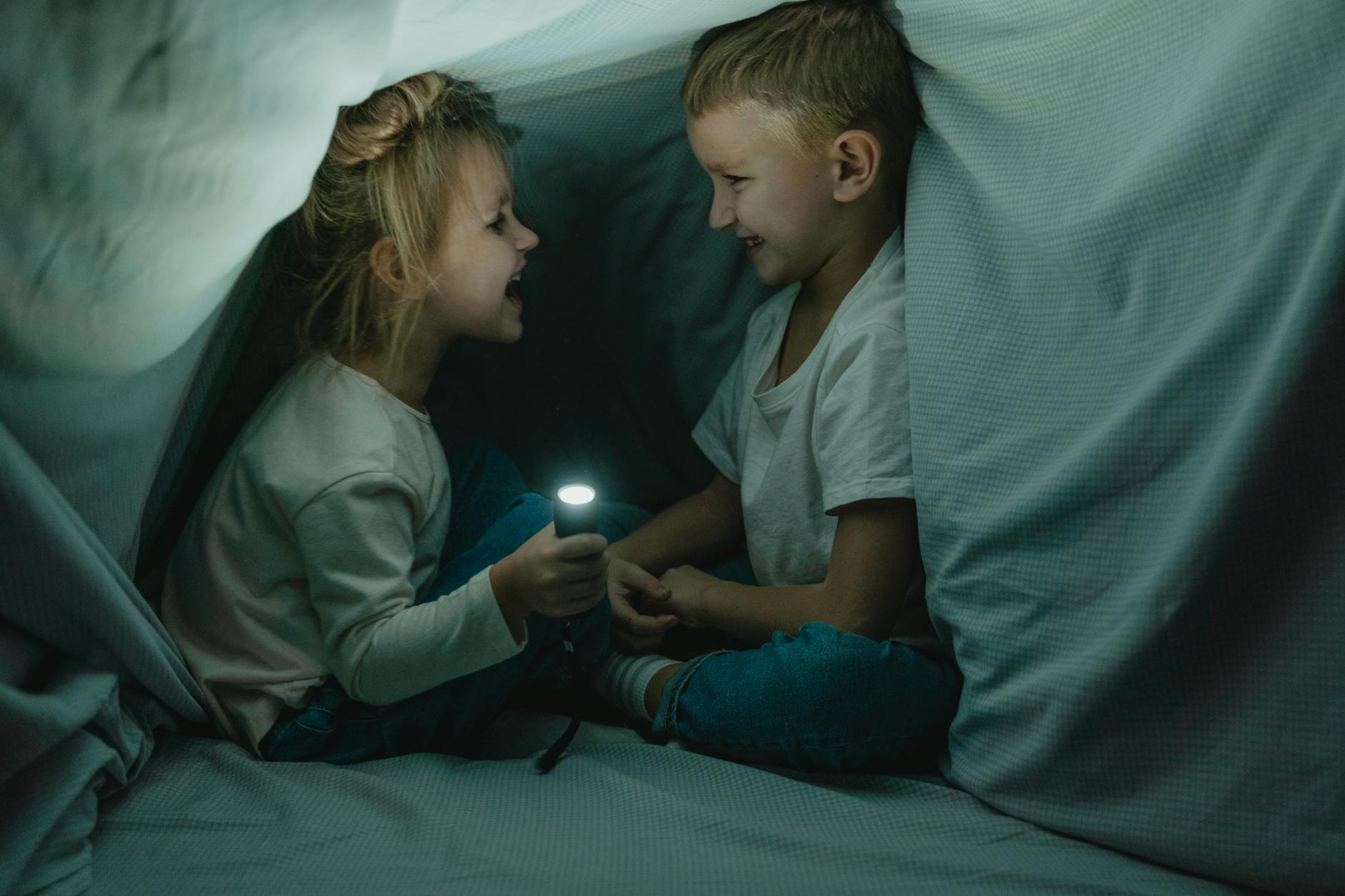
Kids under 3 enjoy simple sensory experiences far more than structured activities or expensive outings — and the developmental research is consistent on this. Water, dirt, grass, soft objects to throw, and things that roll or bounce are what drive genuine delight in this age range. The WHO’s 2019 guidelines recommend at least 180 minutes of daily physical activity for children under 5 spread throughout the day — and most of it can happen in a backyard or at a sprinkler, at no cost.
Category: Outdoor Play
-

Is Your Child’s Screen Time Causing Behavior Problems? What Parents Who Quit Say
Yes — excessive screen time, especially on tablets and phones, is linked to measurable behavioral changes in young children. Research shows that high-stimulation digital media raises cortisol levels, disrupts sleep, and shortens attention spans in kids ages 2-10. The good news is that most parents who reduced screens saw behavioral improvements within 2-4 weeks.
-

What Outdoor Toys Replace Tablets Best for Kids in Summer?
The outdoor toys that replace tablets best in summer are the ones that combine motion, water, and a low skill curve — toys a child can use on their own without instruction or adult set-up. For families trying to lower screen time during long summer days, the right toy is often the difference between a 3-hour iPad session and a 3-hour backyard sprint.
-

How Do You Reduce Screen Time in Your Home When Adults Are the Problem Too?
The most effective way to reduce screen time when parents are part of the problem is to make screen-free routines a household norm — not a rule applied only to children. Children model adult behavior more strongly than they follow explicit restrictions, which means whole-family play habits work far better than device rules targeting kids alone. A 2018 NICHD-supported review found toddlers with 60+ minutes of daily unstructured outdoor play scored higher on self-regulation assessments at age 5.
-

How Do Outdoor Toys Help Kids Transition Away From Screens?
The right outdoor toy helps kids transition away from screens by offering a competing reward that is tactile, physical, and immediately satisfying — something screens cannot deliver. Children ages 3-12 do not disengage from screens because they are told to; they disengage because something more compelling is available. Outdoor toys designed with the right stimulus profile trigger that shift.
-
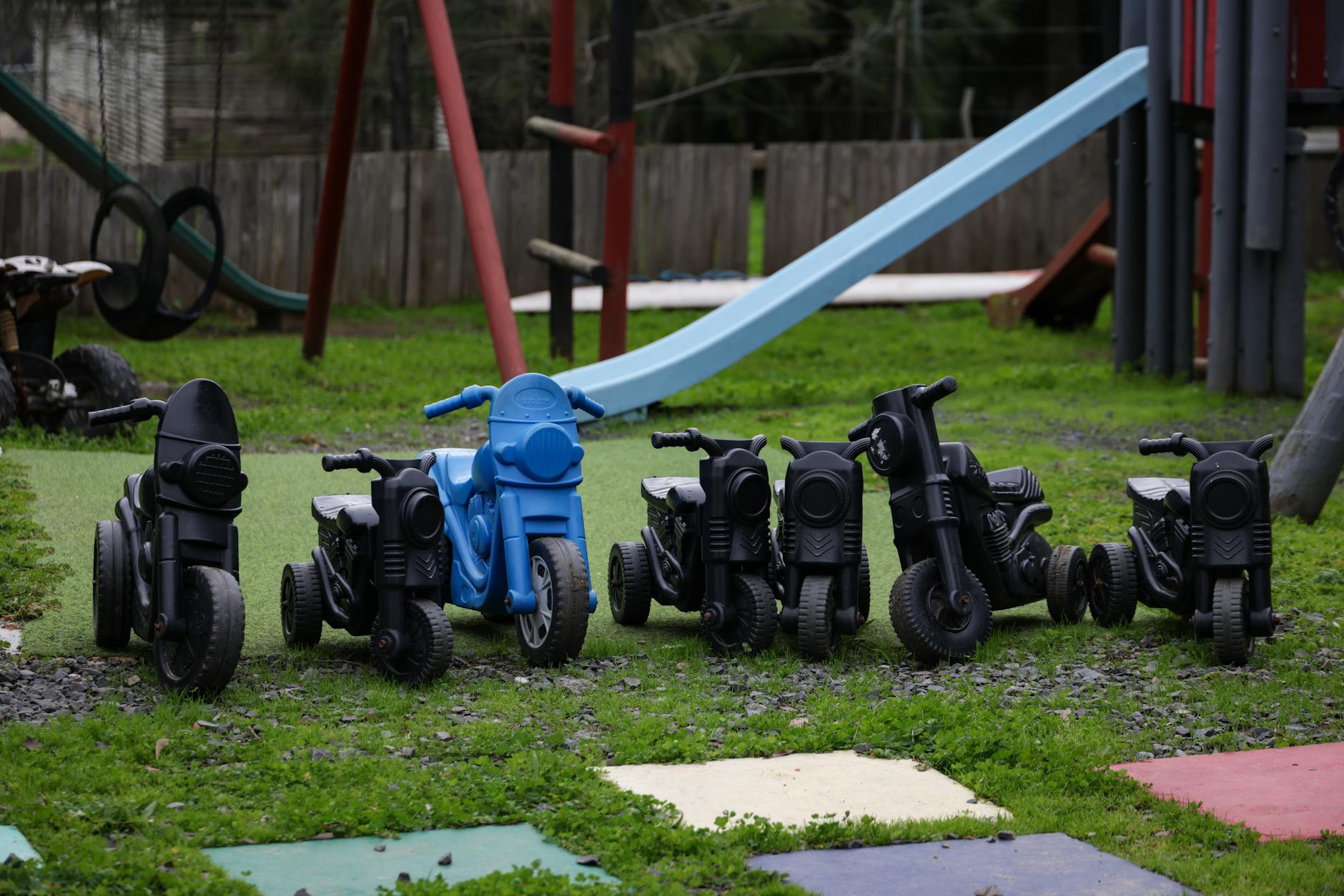
What Outdoor Toys and Activities Can Replace Screen Time for Kids?
Outdoor toys and active play replace screen time most effectively when they offer comparable immediacy of reward — meaning the child experiences something satisfying in the first 30 seconds of going outside, not after 10 minutes of setup or warming up. The screen-free activities that stick are not the ones parents find impressive; they are the ones kids reach for instinctively the moment they step outside.