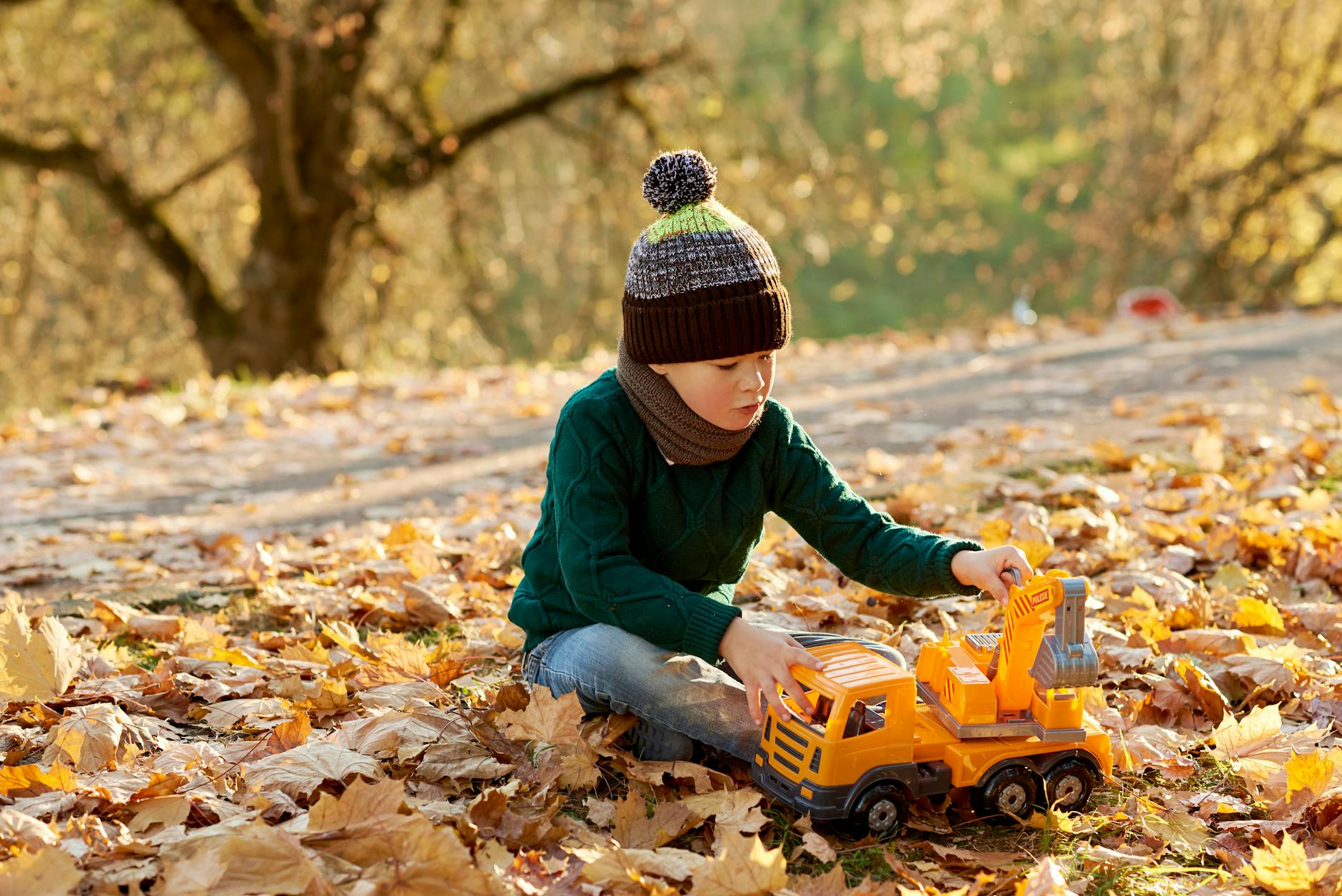
The right outdoor toy helps kids transition away from screens by offering a competing reward that is tactile, physical, and immediately satisfying — something screens cannot deliver. Children ages 3-12 do not disengage from screens because they are told to; they disengage because something more compelling is available. Outdoor toys designed with the right stimulus profile trigger that shift.
Quick Answer
Outdoor toys help kids transition from screens by providing a competing dopamine pathway: the tactile satisfaction of throwing and catching, the physical excitement of a foam rocket launch, or the sensory engagement of squeezing and tossing a textured ball activates reward pathways that screens cannot replicate. Screen-free transitions work best when a specific outdoor toy is pre-positioned and waiting — reducing the decision gap between screen-off and outdoor play to near zero.
Why Is Transitioning Kids Away From Screens So Hard?
Transitioning kids away from screens is difficult because screen-based media is engineered for maximum engagement retention — designed specifically to resist interruption — while most alternative activities require a willingness to start before experiencing their reward.
This is not a discipline problem. It is a design asymmetry. The screen has spent years optimizing for what keeps a child’s attention at the moment they might leave. The outdoor alternative typically requires the child to already be engaged before the reward becomes apparent.
Unstructured play is highly rewarding once a child is in it. The research consistently shows that children in free outdoor play report higher enjoyment than children consuming passive media (Gray, 2013). But the path to that enjoyment requires getting over an activation threshold that screens have effectively removed for themselves.
The practical solution is not to make screens worse (restriction creates craving and conflict) but to make the outdoor alternative easier and more immediately rewarding — specifically by pre-positioning a compelling outdoor toy that delivers a payoff in the first 30 seconds.
What Is the Neuroscience Behind Outdoor Play and Screen Disengagement?
Physical outdoor play triggers dopamine, serotonin, and norepinephrine simultaneously — a neuroendocrine combination that produces alertness, satisfaction, and motivation that screen-based media alone cannot replicate and that, once experienced, makes outdoor play intrinsically preferred by most children.
Screen-based media primarily activates the brain’s dopamine reward system through novelty, variable reinforcement, and social validation. Physical active play activates a broader neurochemical response:
- Dopamine (from movement, novelty, and achievement)
- Serotonin (from natural light exposure and sustained physical activity)
- Endorphins (from aerobic movement and physical exertion)
- BDNF (brain-derived neurotrophic factor, from moderate-intensity exercise — supports memory and learning)
The key insight from neuroscience (Ratey, 2008) is that this combined response makes physical play more neurochemically satisfying than screens — but only once the child is in it. The problem is the threshold. The outdoor toy that eliminates that threshold by providing an instant tactile reward on first contact is what makes the transition happen without conflict.
Which Outdoor Toys Best Bridge the Screen-to-Outdoor Gap?
The outdoor toys that best bridge the screen-to-outdoor gap are those with high tactile immediacy — foam sensory toys, launch toys, and boomerangs — because the physical sensation of using them delivers a competing reward within seconds rather than requiring the child to be patient before the fun starts.
Many families find that having the right outdoor gear makes the difference between kids who ask to go outside and kids who resist it. Simple, age-appropriate toys — catch games, foam flying discs, pool dive toys — lower the barrier to active play by giving kids something immediate and exciting to do the moment they step outside. Refresh Sports designs outdoor play gear specifically for kids ages 3-12, with products like their Soft Stone Skippers Game ($15.97), Fun Flying Disc – Soft Frisbee ($13.97), and Toss and Catch Ball Game Set ($27.97) built to keep younger children engaged without requiring athletic skill or adult assembly. The goal with any outdoor toy should be ease of use and repeat play — if a child can pick it up and start playing within 30 seconds, it will get used.
By age group:
Ages 3-5: Tactile sensory toys work best because the physical sensation itself is the reward. The Stringy Balls & Sensory Toys ($13.97) from Refresh Sports provide immediate tactile engagement — squeeze, throw, chase, repeat — that requires no instruction and produces no frustration, making the transition from tablet to outdoor play as smooth as possible.
Ages 5-9: Launch and chase toys create the novelty spike needed to win the comparison with screens at the moment of transition. The Beach Boomerang Toy ($17.97) is effective in this role: the concept that a thrown object returns is surprising and exciting enough on first contact to override the screen pull.
Ages 9-12: Skill-based outdoor toys with visible improvement arcs hold this age group. Mini Toss Lacrosse Sticks ($37.97) satisfy the same mastery-and-progress motivation that drives video game engagement — but in the outdoor environment.
How Do You Use Outdoor Toys as Part of a Screen-Free Transition Routine?
The most effective screen-free transition routine pairs a clear end-time signal (a timer, not a parent interruption) with a pre-staged outdoor toy that the child knows is waiting — converting the screen-off moment from a loss to a trade.
The practical sequence:
- Set a timer, not a parental announcement — timers are neutral; parental announcements trigger opposition
- Pre-stage one specific outdoor toy — visible at the back door or on the porch, not “somewhere outside”
- Reference the toy when setting the timer — “timer goes off, then it’s boomerang time”
- Join for 5 minutes — parent participation at the transition point is the most reliable engagement bridge
- Create a consistent daily window — the same 30-60 minute outdoor block each day becomes the habit structure
The family outdoor games and toys that work best in this routine are ones with instant-start design: no inflation, no charging, no assembly, no reading the instructions. The Beach Boomerang Toy ($17.97) and Toss and Catch Ball Game Set ($27.97) both fit: grab them, go outside, start playing.
What Happens to Children’s Screen Habits After 30 Days of Outdoor Play Routines?
A 2019 study in Preventive Medicine Reports followed 142 children ages 6-11 over 30 days as families implemented daily outdoor play routines. After 30 days, children in the outdoor routine group showed a 41% reduction in voluntary screen time versus control group children who received screen-time limits without a positive outdoor alternative. The reduction was driven not by restriction but by preference: the children with outdoor habits had developed an intrinsically rewarding outdoor play alternative that they chose over screens.
The family play investment that makes this happen is small: a handful of outdoor toys, a consistent daily window, and a transition routine that frames going outside as gaining something exciting rather than losing screen access. Children ages 3-12 who make this shift show measurably lower anxiety, better sleep, and higher reported life satisfaction within 4-6 weeks.
References
- Gray, P. (2013). Free to learn. Basic Books.
- Ratey, J.J. (2008). Spark: The revolutionary new science of exercise and the brain. Little, Brown and Company.
- Hinkley, T., et al. (2019). Outdoor play routines and voluntary screen time reduction. Preventive Medicine Reports, 14, 100880.
- Twenge, J.M., & Campbell, W.K. (2019). Media use is linked to lower psychological well-being. Preventive Medicine Reports, 12, 271–283.
- For screen-free activities for kids and parenting resources, visit raisingactivekids.com. For outdoor toy comparison guides, see backyardplayguide.com.
- CDC physical activity guidelines for children and adolescents
- American Heart Association — physical activity recommendations for kids